01 — Why steel posts
The wood you see, the steel you don’t
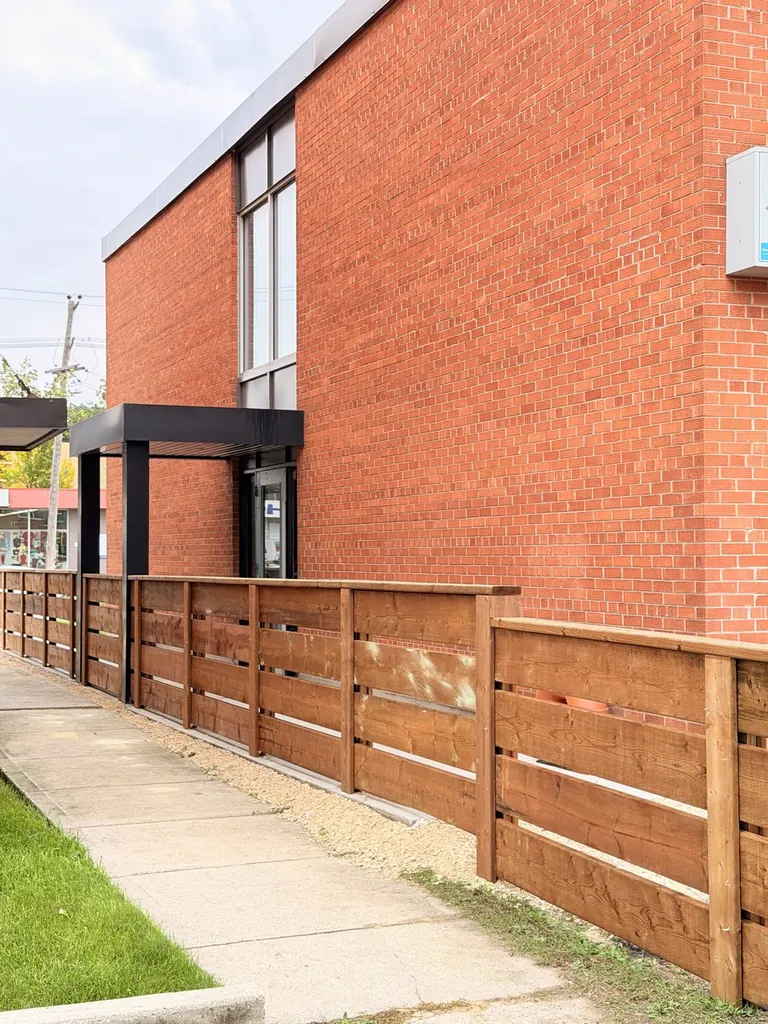
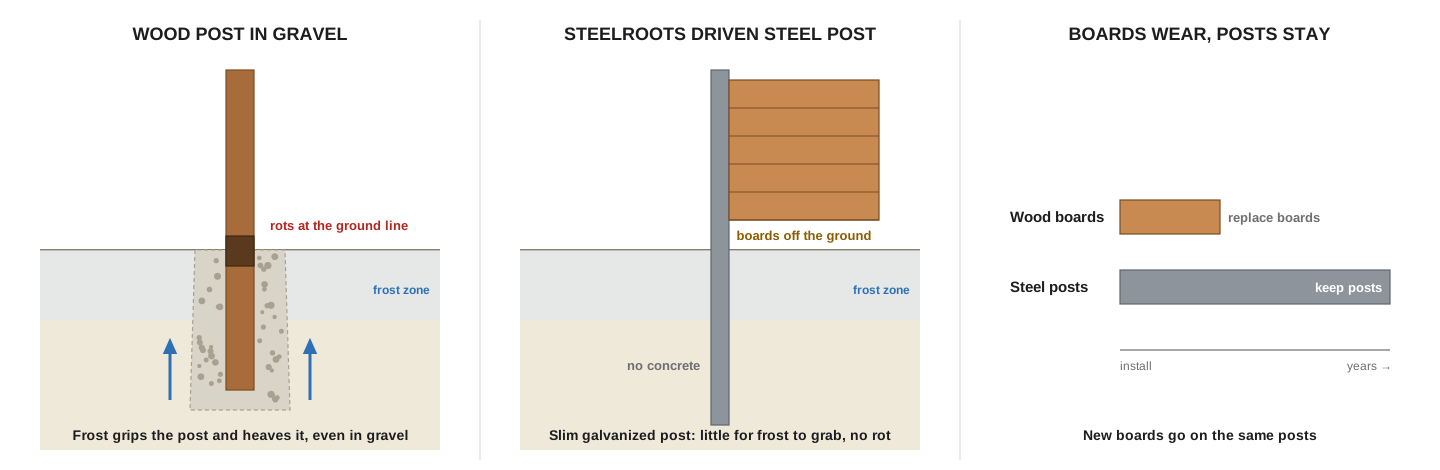
A wood fence usually fails at its posts first: they rot at the ground line or get heaved by frost, even set in gravel. STEELROOTS keeps the wood look and puts steel where the fence meets the ground.
Won’t rot
Steel goes in the ground, not wood. The boards are kept up off the dirt.
Built for frost
Posts are driven straight in, no concrete. A slim steel post gives Manitoba frost very little to grab.
Refresh, don’t rebuild
Built to last, and when boards eventually wear, new ones go on the same posts.
02 — Panel designs
Four ways to dress the steel
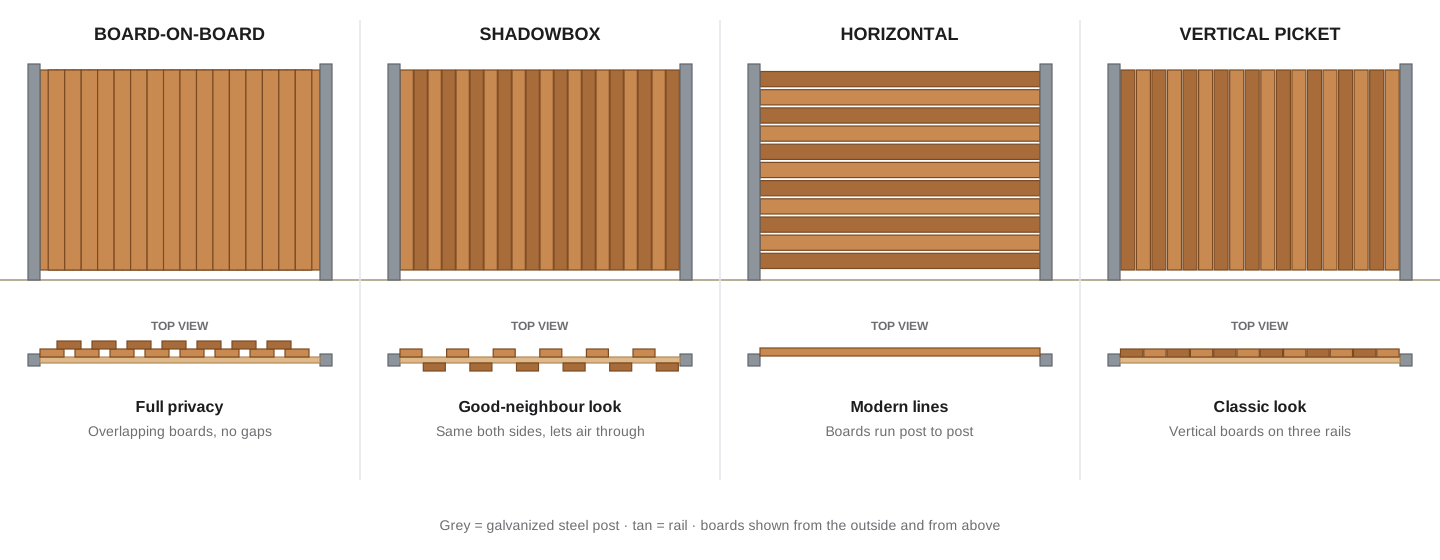
Every design goes on the same driven steel posts. Pick the look and how much privacy you want.
Horizontal boards
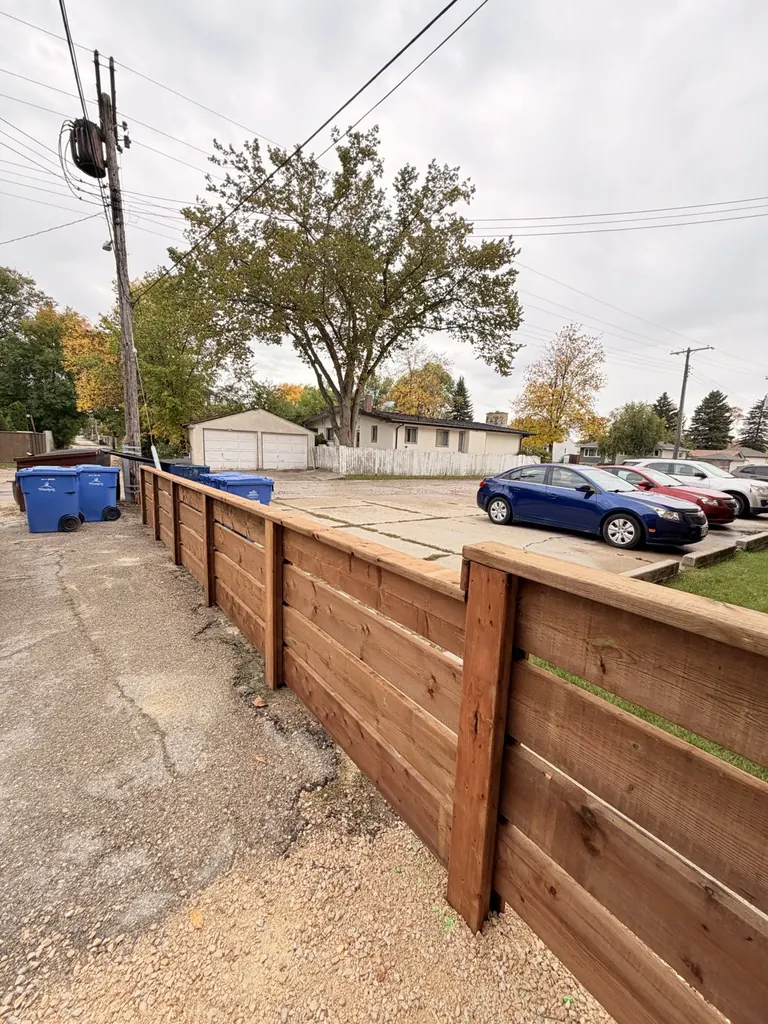
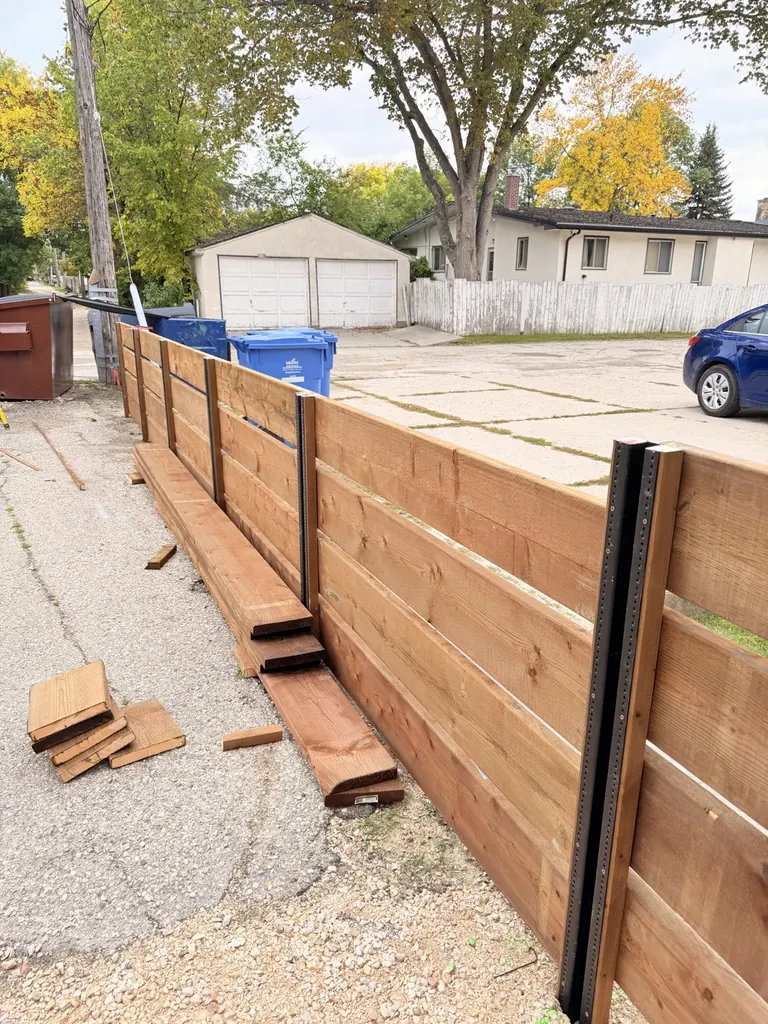
Boards run post to post with a small gap for a clean, modern line.
Vertical picket
Vertical boards side by side for a classic look.
03 — Framing
What keeps the boards straight
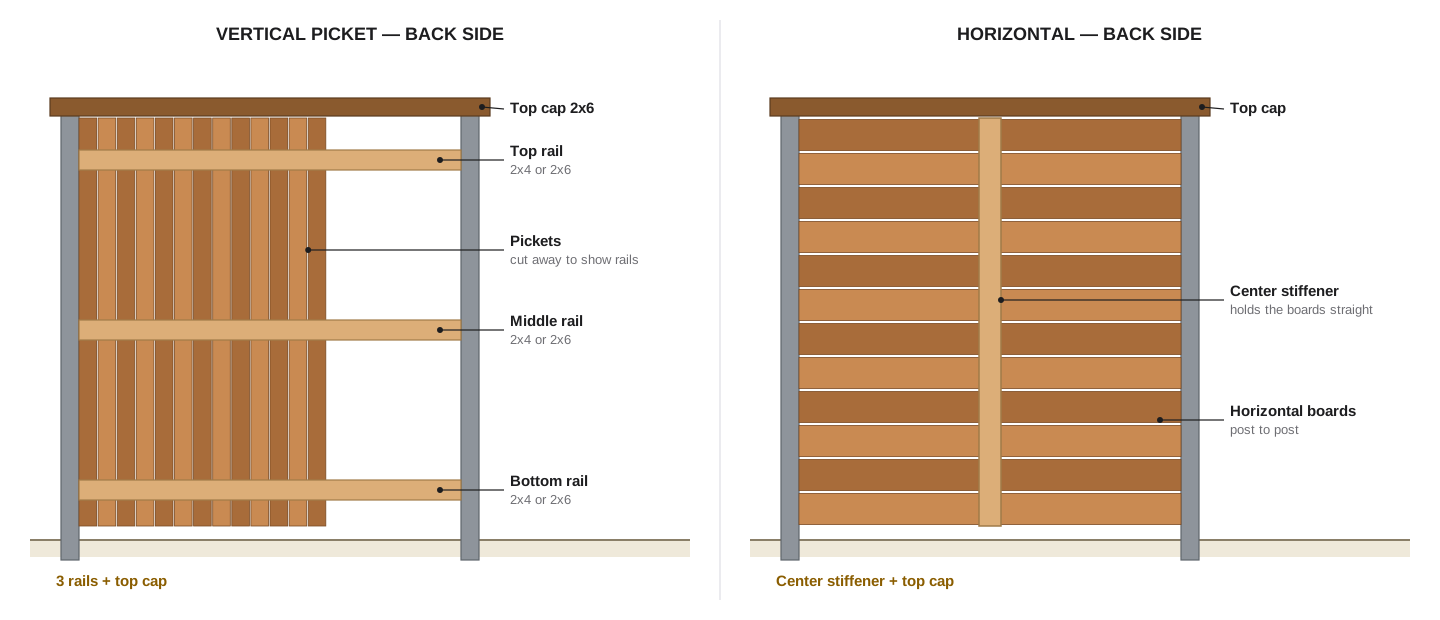
Behind the boards, each design is framed to stay flat and true between the steel posts. Both finish with a top cap along the full run.
Vertical picket
3 horizontal rails (top, middle and bottom), 2x4 or 2x6, with a 2x6 top cap.
Horizontal
Boards run post to post, with a center stiffener at mid-span and a top cap along the run.
04 — Post options
Three steel posts to choose from
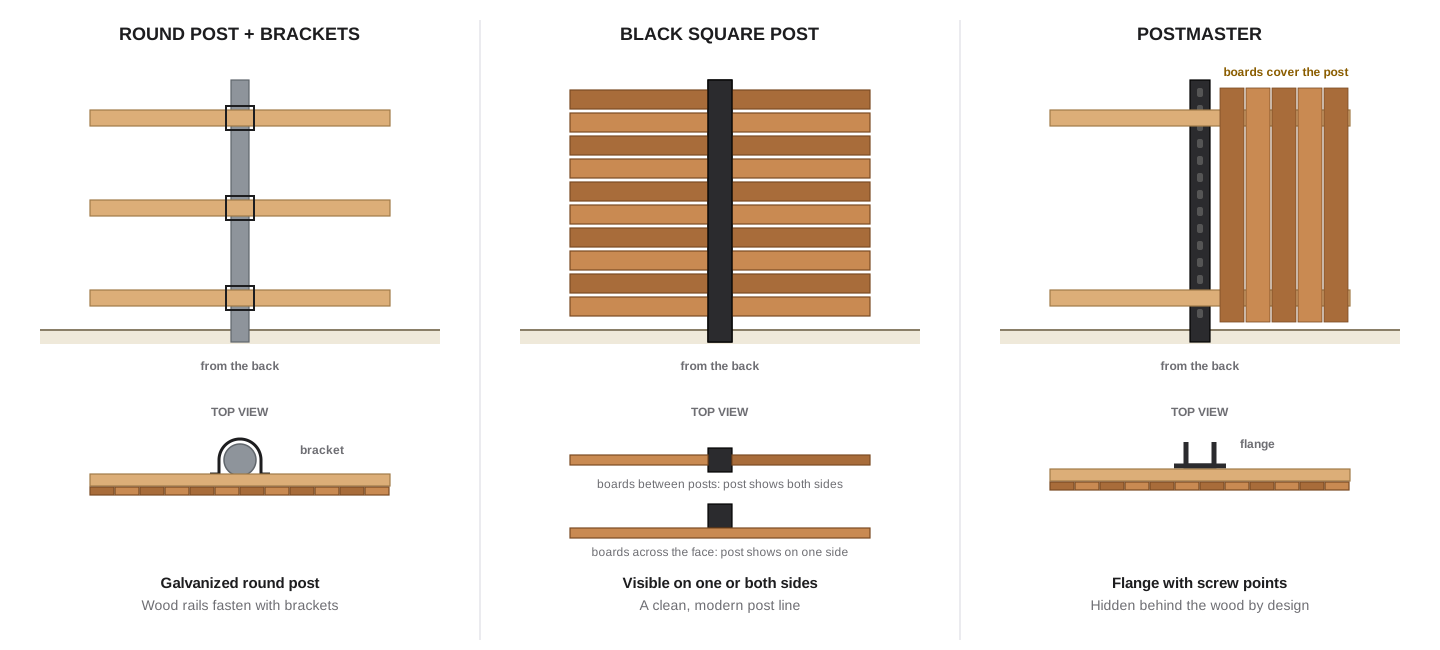
All three are driven steel. Choose by how the post attaches and whether you want to see it.
PostMaster
Rails screw straight to the post’s flange. Once the boards are on, the post disappears behind the wood.
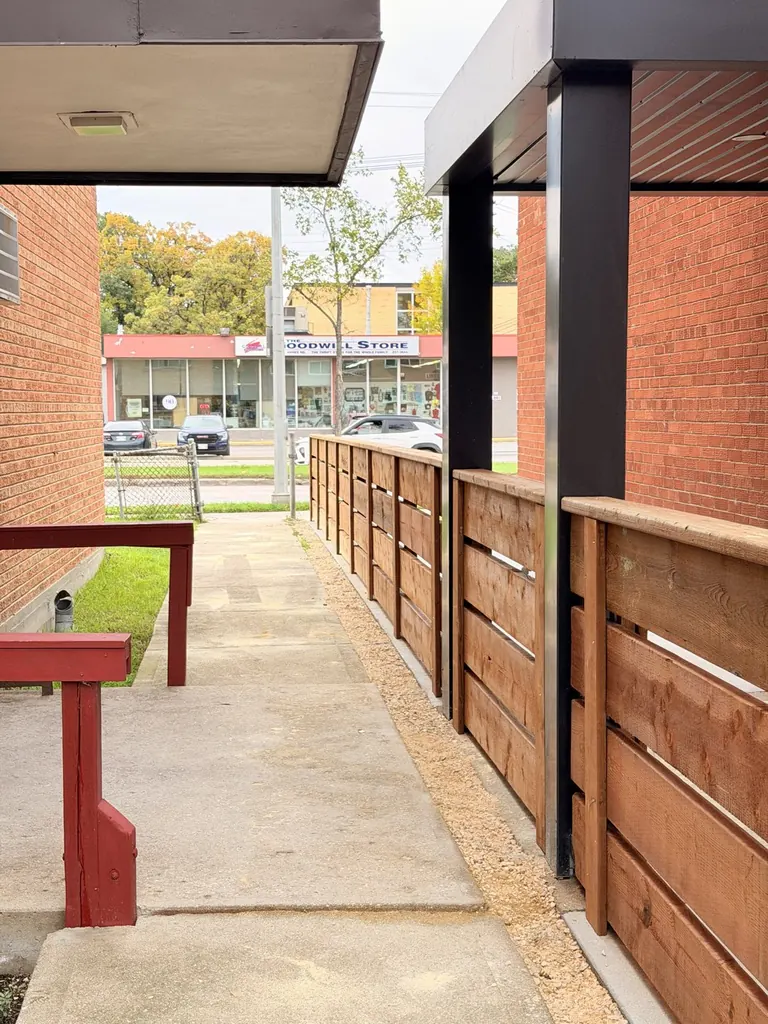
Steel inside, wood outside
From the street it reads as an all-wood fence, standing on driven steel.
05 — Wood, height & finish
Pick your wood and finish
4′ – 6′
Fence heights
8′
Post spacing
Western red cedar
Naturally rot-resistant, with a warm colour and straight grain. Boards are screwed on, not nailed.
Brown pressure-treated
The budget option. A good choice if you plan to stain the fence.
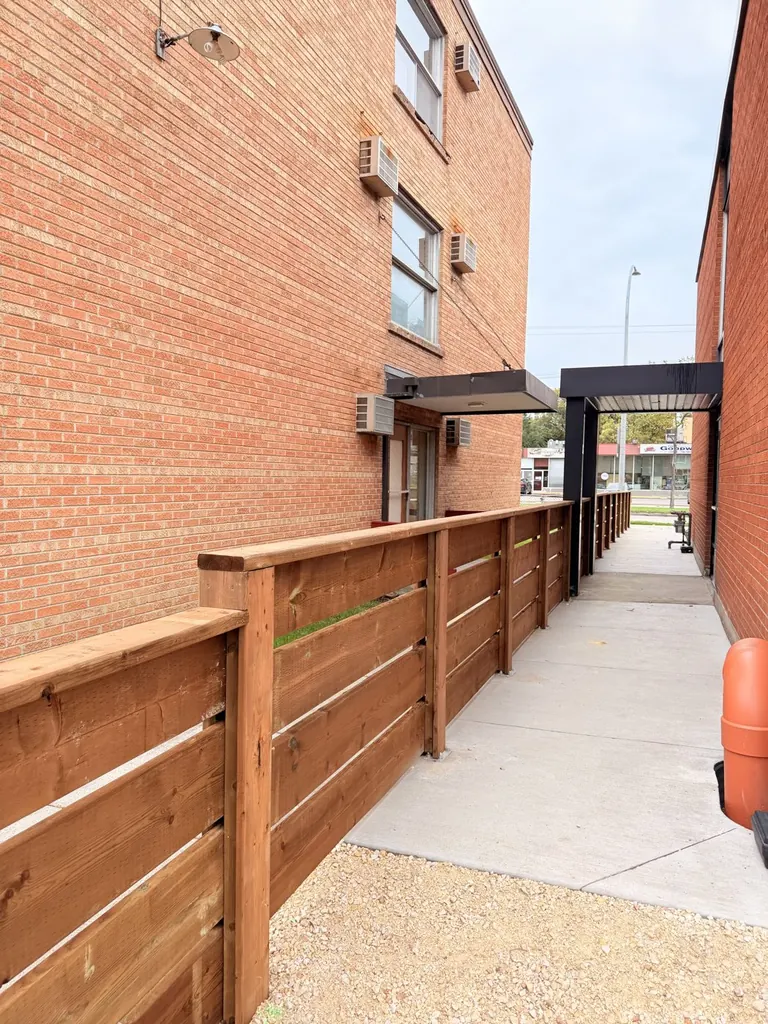
Stained on day one
Colour and protection applied as part of the install.
Left to weather
Untreated cedar weathers to a natural silver grey.
Matching an existing fence
Adding on? We can usually match the board width, style and height on the STEELROOTS post system.
06 — Gates
Gates that match the fence
Every gate uses the same boards and style as your fence, built on a steel frame so it doesn’t sag.
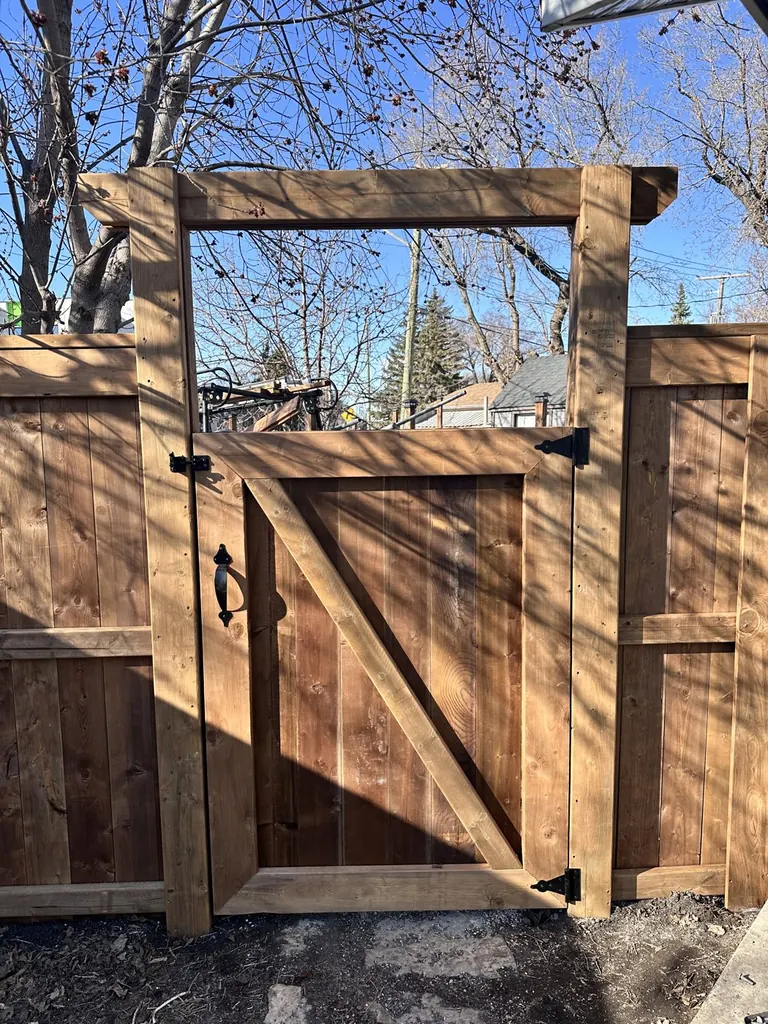
Walk gates
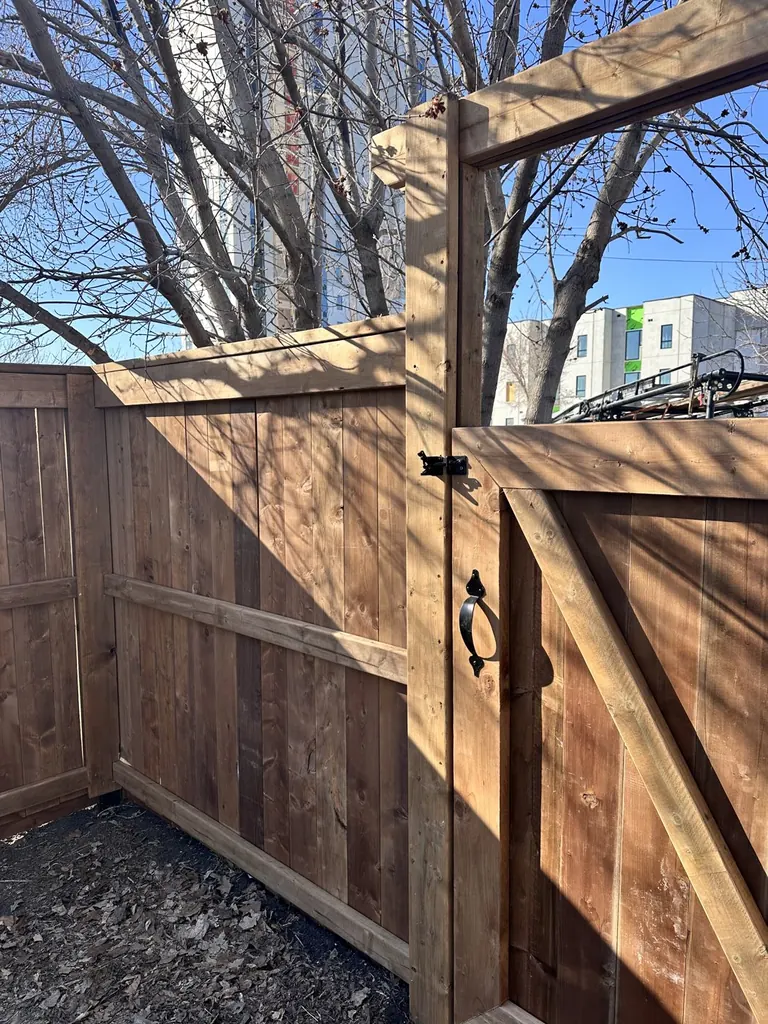
Single gates for foot traffic, shown here under an arbor.
Double drive gates
Two swing leaves for driveways, trailers and equipment.
Hang off a fence section
Gate posts are tied into the fence. A lone post has nothing bracing it and leans over time.
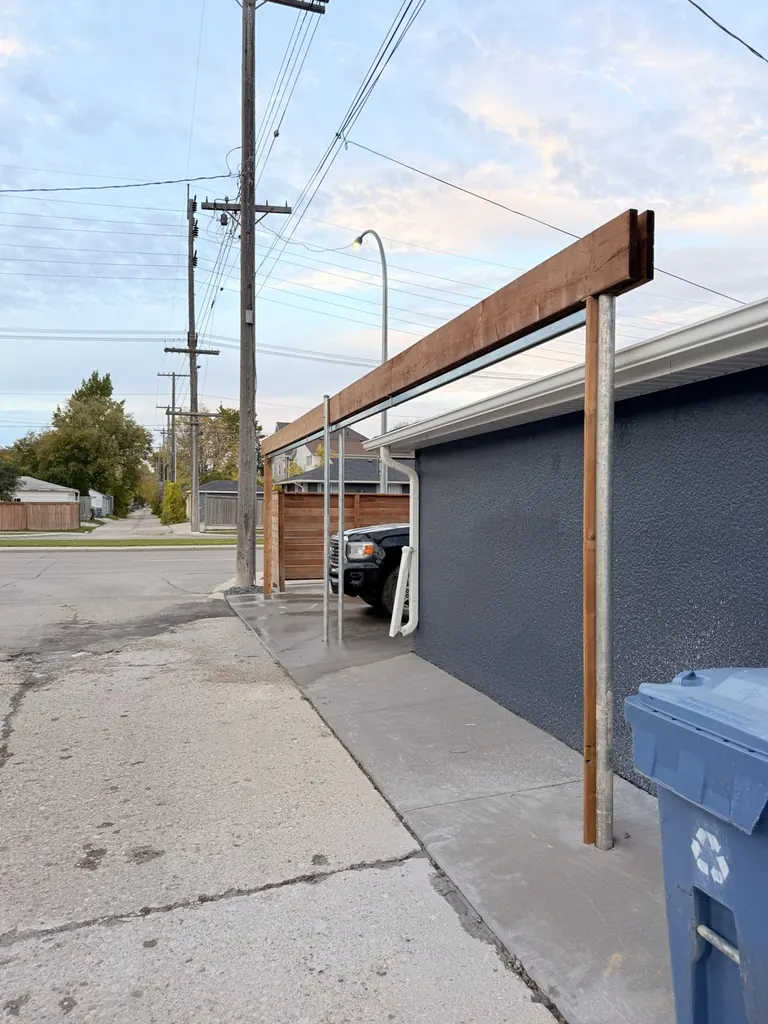
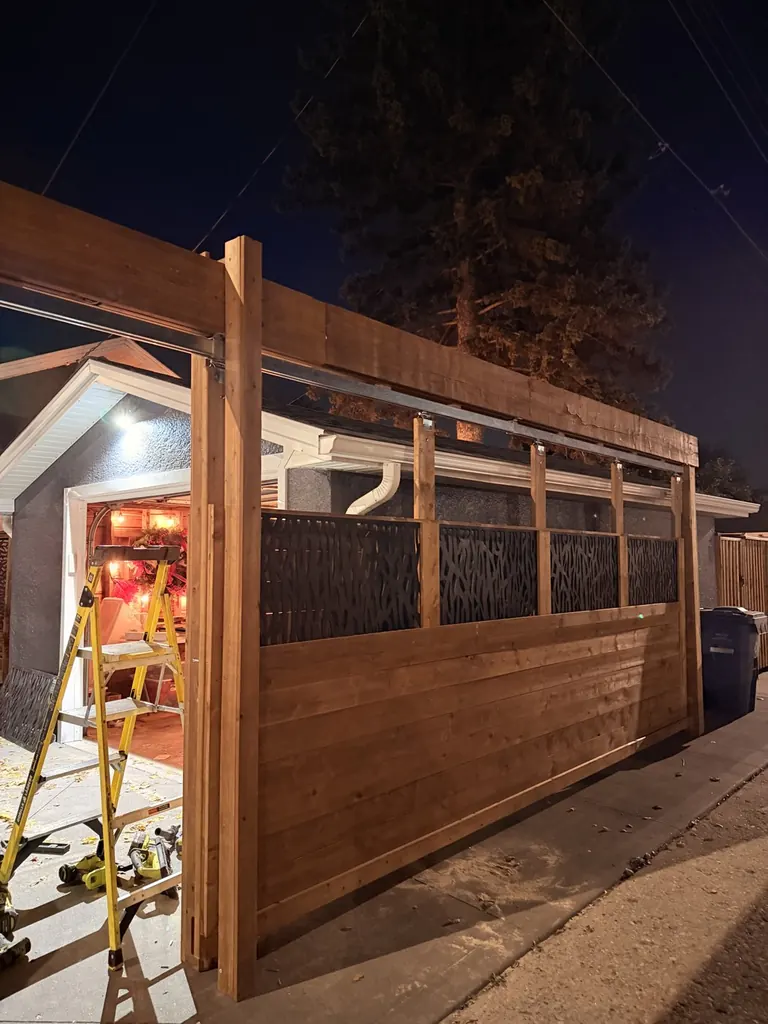
Overhead slide gates on a centered portal
Our steel posts can be driven accurately and close together, so an overhead gate gets a true portal: a beam balanced on the center of each end post, dual portal posts in the middle that the gate passes between, and the track mounted beneath the beam. Decorative metal panels and automation are available.
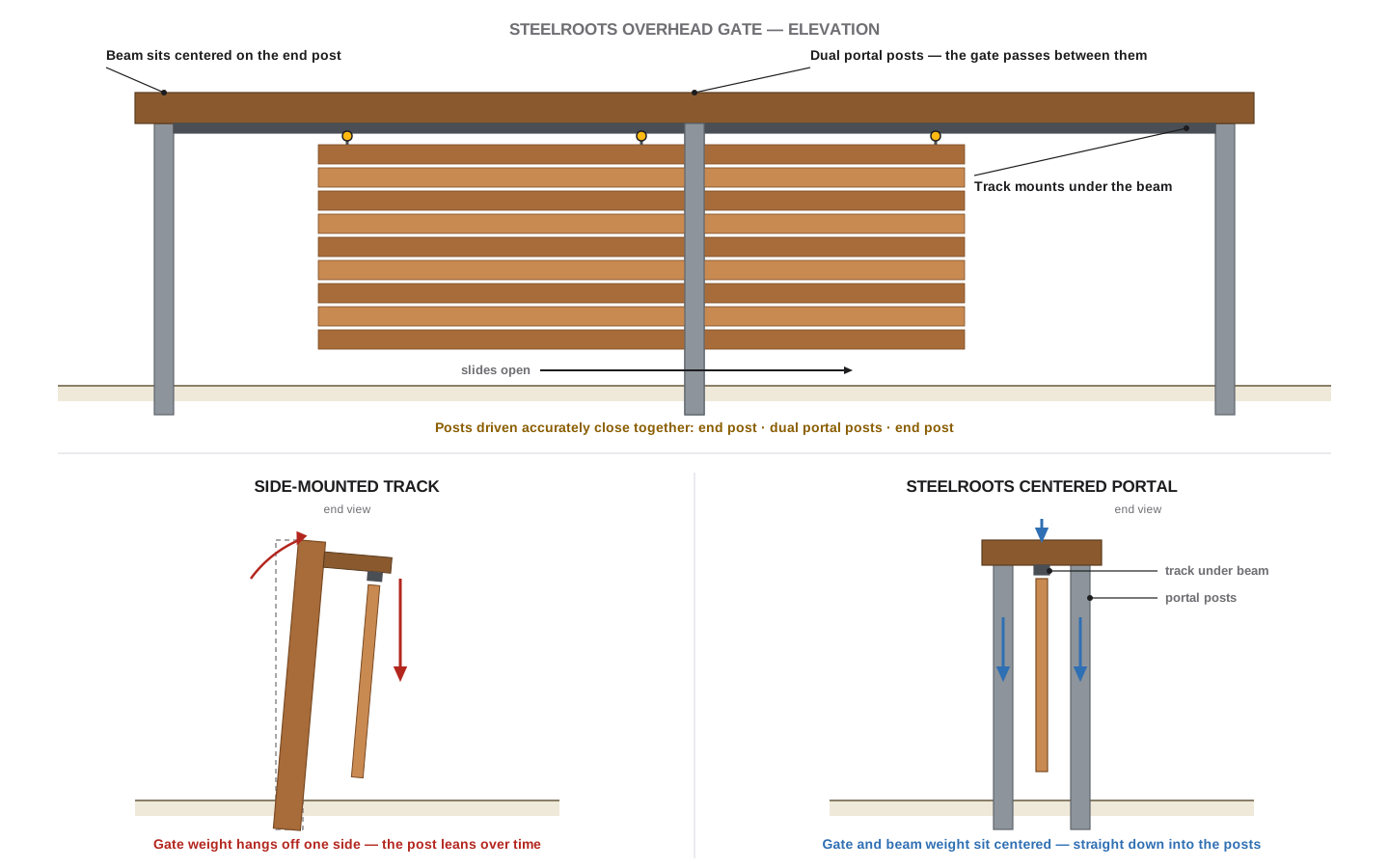
Centered load
The beam sits on the center of each post. Gate and beam weight go straight down into the posts.
No one-sided pull
A side-mounted track hangs the gate off one face of the post, so the weight slowly pulls it over.
Less upkeep
An even weight transfer means less maintenance and fewer repairs to the gate over time.
07 — Installation
How we install, step by step
Lay out the line
Corners, gates and post spots are marked with a string line. Buried utilities are located first.
Drive the posts
Steel posts driven straight in every 8′, no concrete.
Set the rails
Wood rails fasten to the posts with brackets, or screw straight to the PostMaster flange.
Hang the boards
Screwed on in your panel design, kept up off the ground.
Hang the gates
Gates go in last so they line up with the finished fence.
Stain or weather
Stained on day one, or left to weather naturally.